%2Ffit-in%2F250x250%2Fguide_websites%2F10688%2Fimages%2Flogo.png&w=1920&q=100)
/users/88dfcd4f-7e9e-462f-97e9-61dab61e99ef/ratecard/480734203_613595971290969_8513232906694287196_n.jpeg)
%2F300x300%2Fusers%2F88dfcd4f-7e9e-462f-97e9-61dab61e99ef%2Fratecard%2F480734203_613595971290969_8513232906694287196_n.jpeg&w=256&q=75)
%2F300x300%2Fusers%2F88dfcd4f-7e9e-462f-97e9-61dab61e99ef%2Fimages%2Fredfish-catch-georgia-2524.jpeg&w=256&q=75)
%2F300x300%2Fusers%2F88dfcd4f-7e9e-462f-97e9-61dab61e99ef%2Fimages%2Ftybee-island-sunset-2483.jpeg&w=256&q=75)
%2F300x300%2Fusers%2F88dfcd4f-7e9e-462f-97e9-61dab61e99ef%2Fimages%2Fbountiful-black-drum-fishing-ga-2447.jpeg&w=256&q=75)
%2F300x300%2Fusers%2F88dfcd4f-7e9e-462f-97e9-61dab61e99ef%2Fimages%2Fbest-fishing-tybee-island-2397.jpeg&w=256&q=75)
%2F300x300%2Fusers%2F88dfcd4f-7e9e-462f-97e9-61dab61e99ef%2Fimages%2Fredfish-georgia-fishing-2499.jpeg&w=256&q=75)
%2F300x300%2Fusers%2F88dfcd4f-7e9e-462f-97e9-61dab61e99ef%2Fimages%2Ftybee-island-fishing-duo-2576.jpg&w=256&q=75)
%2F300x300%2Fusers%2F88dfcd4f-7e9e-462f-97e9-61dab61e99ef%2Fimages%2Fgeorgia-fishing-trip-haul-2620.jpg&w=256&q=75)
%2F300x300%2Fusers%2F88dfcd4f-7e9e-462f-97e9-61dab61e99ef%2Fimages%2Ftybee-island-coastal-catch-2658.jpg&w=256&q=75)
%2F300x300%2Fusers%2F88dfcd4f-7e9e-462f-97e9-61dab61e99ef%2Fimages%2Fsuccessful-fishing-trip-georgia-2534.jpg&w=256&q=75)
%2F300x300%2Fusers%2F88dfcd4f-7e9e-462f-97e9-61dab61e99ef%2Fimages%2Fredfish-tybee-island-catch-2582.jpg&w=256&q=75)
Tybee Island Pro Inshore Fishing | Catalina
 Tybee Island
What you will be catching:
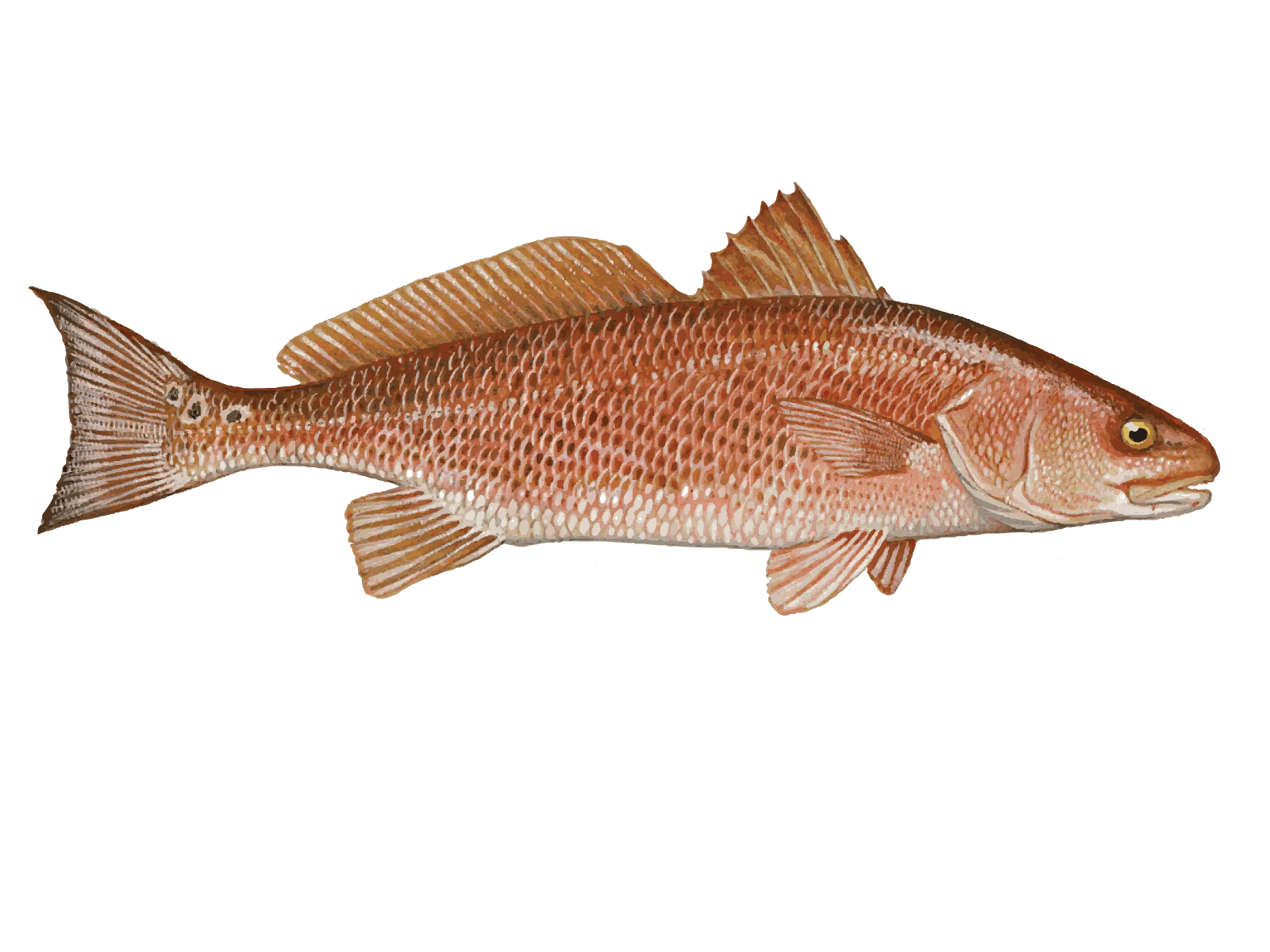
 Redfish
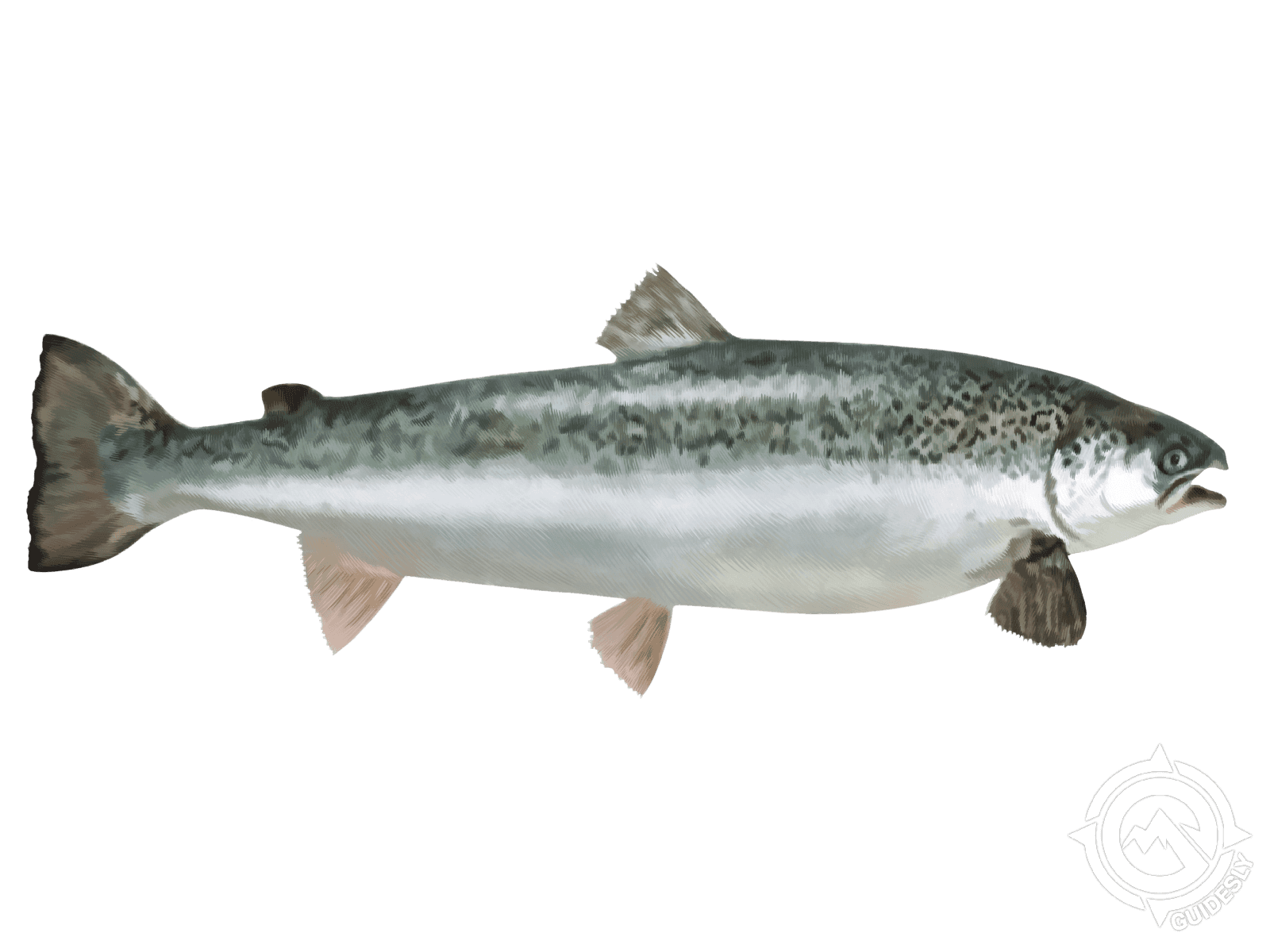
 Sea Trout
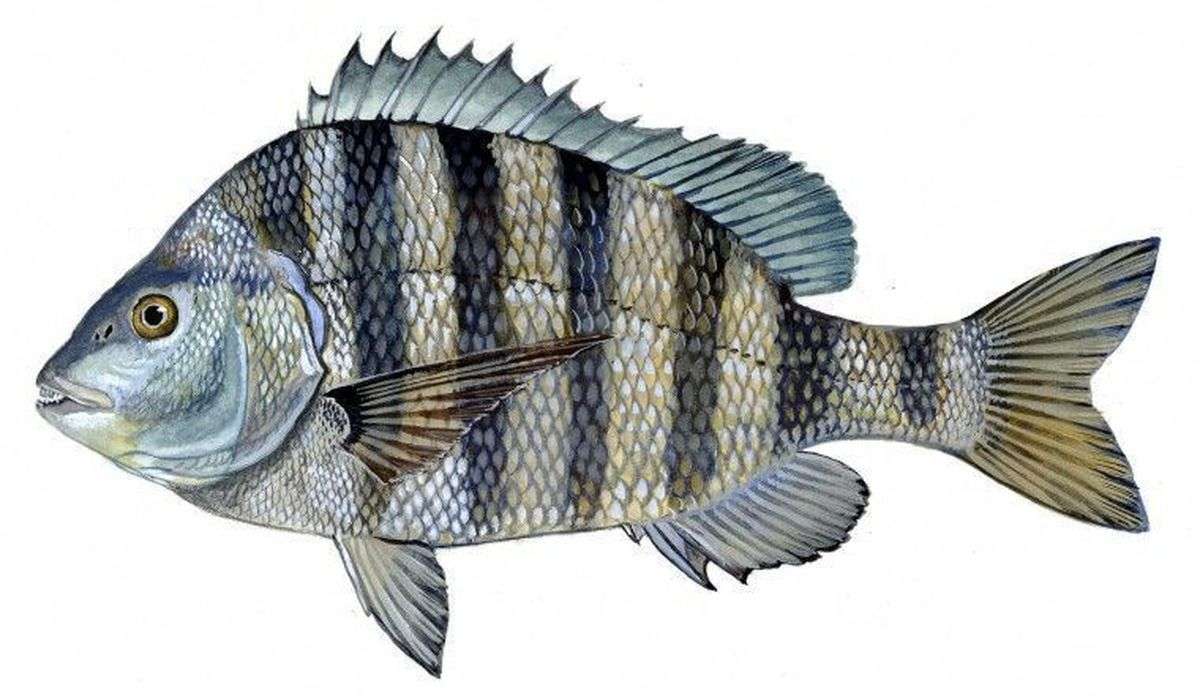
 Sheepshead
- This 4-hour inshore trip with Captain Trey Wagner is built for anglers who know what they're doing. You'll target redfish, sea trout, and summer flounder in Tybee Island's most productive waters, using top-quality tackle and local knowledge to stay on the fish. The captain provides all gear except bait and licenses, so you can focus on technique and results. With only 2 guests max, you get personalized attention and prime positioning for those hard-hitting redfish and steady trout action. Perfect for seasoned anglers who want consistent hookups without the beginner-friendly pace.
Trip Pricing and Availabilities:
Half Day Redfish Hunt with Captain Trey
Look, if you're tired of babysitting beginners and want to get serious about putting fish in the boat, Captain Trey Wagner's got your number. This isn't some tourist photo-op – it's a legitimate 4-hour inshore assault on Tybee Island's best redfish, trout, and flounder spots. Trey knows every creek bend, oyster bar, and grass flat from the Savannah River to Wassaw Sound, and he's not interested in wasting your time in the kiddie pool. You bring the experience and fishing license, he brings everything else. Two anglers max means no crowds, no chaos, just steady action and the kind of fishing that separates the weekend warriors from the real deal.
What to Expect on the Water
Captain Trey runs a tight ship, literally and figuratively. You'll launch early from Tybee and head straight to where the fish are holding – no scenic tours or amateur hour. The Georgia coast's maze of tidal creeks and marsh channels can be intimidating, but Trey reads water like a favorite book. He's targeting structure and current breaks where redfish cruise the edges and trout stack up waiting for bait to wash by. This is sight fishing and strategic casting, not chuck-and-hope. The boat's rigged with quality tackle, but if you've got favorites, bring them. Trey appreciates anglers who know their gear and aren't afraid to work for their fish. Expect to cover water, make precise casts, and stay alert – these fish don't wait around for sloppy presentations.
Proven Tactics & Prime Spots
The magic happens in 2-6 feet of water where grass beds meet shell banks and current creates ambush points. Trey's arsenal includes everything from topwater plugs at dawn to soft plastics when the bite gets finicky. You'll work oyster bars on the falling tide, hit grass flats when the water's moving, and target creek mouths where everything funnels through. The approach changes with conditions – maybe it's throwing spoons at tailing reds in skinny water, or bouncing jigs along channel edges for doormat flounder. Trey's not stuck on one method, and he expects his anglers to adapt too. The Savannah River system offers endless structure, and Captain Trey knows which spots fire on which tides. You're not just fishing – you're getting a masterclass in reading Georgia's inshore waters.
Top Catches This Season
Redfish are the crown jewel here, and Georgia's population is absolutely world-class. These copper-colored bruisers cruise the shallows in schools, and when you find them, it's game on. Most fish run 18-27 inches – perfect slot size with serious attitude. They hit hard, fight dirty, and never give up easy. Spring and fall are prime time when they're feeding heavy before and after spawning. Sea trout add finesse to the mix, especially the bigger gator trout that lurk around deep grass edges. They're more temperamental than reds but worth the patience when a 4-pounder crushes your presentation. Summer flounder round out the slam potential – these flatfish are masters of disguise, hiding in sandy pockets and creek mouths. They might not win beauty contests, but they're phenomenal table fare and surprisingly strong fighters when hooked.
Species You'll Want to Hook
Sheepshead might not be on every angler's wish list, but Captain Trey knows where the big convicts hide. These black-and-white striped fighters gather around structure – dock pilings, bridge supports, and oyster bars – where they crush crabs and barnacles with teeth that look almost human. They're notorious bait thieves, but once you figure out their bite, sheepshead are some of the most consistent fish in Georgia waters. Best action happens in cooler months when they school up tight. The fight isn't flashy, but they're bulldogs that use every inch of structure to their advantage.
Sea trout are the technical challenge that keeps experienced anglers coming back. These spotted beauties are incredibly sensitive to water temperature, barometric pressure, and tide movement. When conditions align, they'll hammer topwater plugs at first light or crush soft plastics over grass beds. The key is finding clean water with good current flow – trout hate dirty water and won't tolerate stagnant conditions. Spring spawning runs produce the biggest fish, with gator trout over 20 inches showing up in deeper channels. They're not the strongest fighters, but their finicky nature makes each one earned.
Redfish are what dreams are made of in Georgia's marshes. These bronze-backed tanks patrol everywhere from 6-inch skinny water to 15-foot channels, and their feeding behavior changes with the tides. Flood tides push them into the marsh to hunt crabs, while falling water concentrates them along creek edges and oyster bars. Summer brings the big schools – sometimes 50-100 fish moving together like a bronze carpet. They'll eat everything from live shrimp to topwater plugs, but presentation matters. Spook them in shallow water and the whole school vanishes. Get it right, and you might hook up on every cast until your arms give out.
Time to Book Your Spot
This is fishing for anglers who know the difference between getting lucky and getting good. Captain Trey's not running a sightseeing cruise – he's putting experienced fishermen on fish that fight back. The Georgia coast's year-round fishery means there's always something biting, but the best action requires local knowledge and tactical fishing. Two-angler limit keeps things focused and productive. You'll leave with sore arms, a cooler of quality fish, and a deeper appreciation for what Georgia's inshore waters can deliver when you fish them right. Don't wait until peak season books up solid – the best guides fill their calendars with repeat customers who know quality when they see it
Learn more about the animals
Redfish
Redfish are the crown jewel of our inshore fishing around Tybee. These copper-colored bruisers with their signature black spots average 20-32 inches, but we regularly hook slot reds and oversized bulls that'll smoke your drag. They patrol our shallow flats, oyster bars, and marsh edges in 1-4 feet of water - sometimes so shallow their backs break the surface. Peak season runs spring through fall, especially during moving tides when they're actively feeding on shrimp, crabs, and baitfish. What makes them special is their raw power and that distinctive thumping fight that bends rods double. They're also excellent eating with firm, mild white meat. These fish are built for the fight - once hooked, they'll make long runs and use every oyster bar to try breaking you off. My local trick: cast past cruising fish and work your bait back into their path.
Sea Trout
Spotted sea trout, or "specks" as we call them locally, are the bread and butter of our grass flats. These silver beauties with their distinctive black spots typically run 14-24 inches and 1-5 pounds, though we get some nice gator trout pushing 6-8 pounds. They love shallow grass beds, especially during moving tides around dawn and dusk. Spring through fall provides the most consistent action, with cooler months pushing them into deeper channels. What guests love about trout is their willingness to hit both live bait and artificials - they're aggressive feeders that put up a solid fight for their size. The white, flaky meat is excellent table fare, but handle them gently since they're more delicate than reds. Pro tip: work your lure slowly through the grass with plenty of pauses - that's when they usually strike.
Sheepshead
Sheepshead are the convict fish of our local waters - those gray and black stripes make them easy to spot around dock pilings and bridge structures. Most run 1-8 pounds, but we see some hefty 15+ pounders that'll test your drag. They're year-round residents here, hanging tight to barnacle-covered structures where they crush crabs and shellfish with those human-like teeth. What makes them challenging is they're notorious bait thieves - they'll nibble and pick at your offering before committing. Spring through fall gives us the best action when they're most active. The payoff? Sweet, flaky white meat that's hard to beat on the dinner table. My tip: use a small hook with fresh shrimp or fiddler crab, and when you feel that telltale pecking, set the hook hard and fast.
About the Catalina Charters
%2F%2Fusers%2F88dfcd4f-7e9e-462f-97e9-61dab61e99ef%2Fvehicle_picture%2F5b944e5bb6674d8bee2316f5b6a877a7.jpeg&w=1920&q=75)
Vehicle Guest Capacity: 4
Manufacturer Name: Yamaha
Maximum Cruising Speed: 50
Number of Engines: 1
Horsepower per Engine: 300